
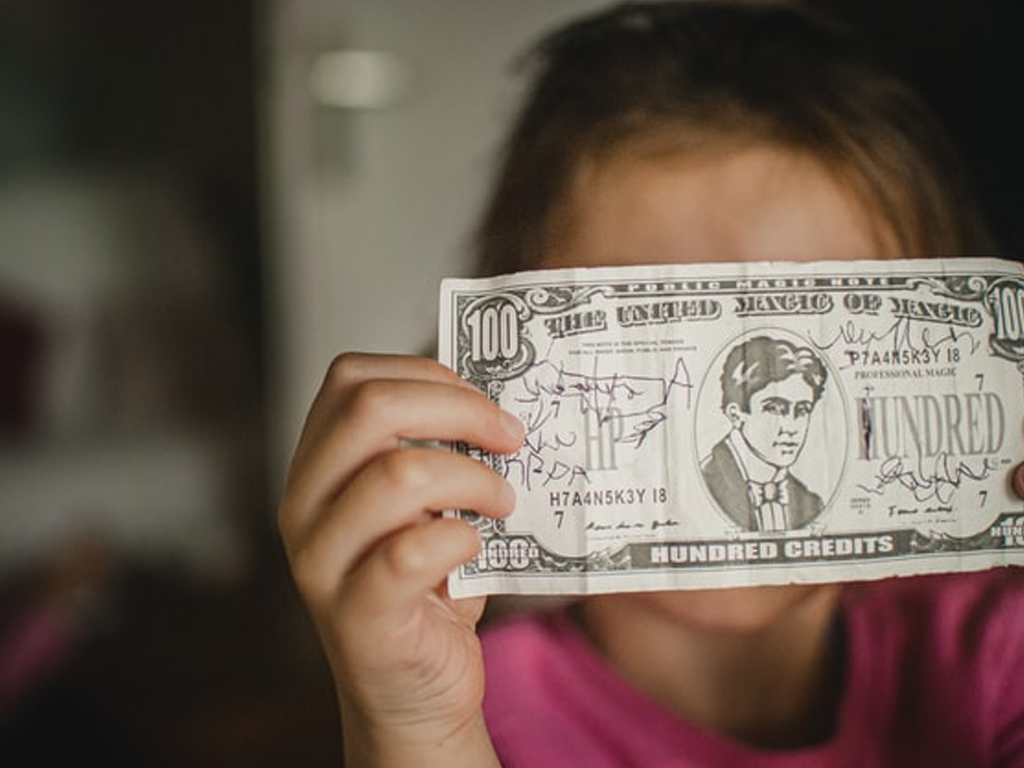
It’s the age old questions all parents start asking themselves as soon as their kids are old enough to ask for something at the store. Do we or do we not give our kids an allowance?
The deeper answer is not whether you should or shouldn’t, but what are you teaching the kids using this form of reward? Young minds are so impressionable and every opportunity we can snag to teach them the value of money and how to use it in a responsible way is time well spent.
An allowance can teach basic money skills no matter the age. Basic money skills means teaching them that everything has a cost and sometimes it just takes patience to get what you want. It can also teach that you get what you pay for.
Robin Taub from Today’s Parent suggests a dollar a week for each year of age. This allows them to learn that with age comes privilege. If their allowance isn’t based on a required action for them, a teaching opportunity could be that they must use their own money on “luxury necessities” like more expensive personal hygiene items that you wouldn’t normally purchase.
They have to earn it. Developing a chart of chores and the amount each one earns. This is another teaching time to allow them to help make the decisions about chores and values. It also teaches them that they aren’t entitled to a reward without an action behind it. Does anyone we know get money for doing nothing?
Teach them that money has different functions – for ourselves and others. Allow them to help decide how to split their allowance between spending, saving, and donating. An added bonus would be to allow them to donate their time in addition to their money!
Use alternate “allowances” if you’re not in a position to give cash. Staying up later than their designated bedtime, allowing a sleepover or 10 extra minutes of screen time could be rewards for good behaviors for younger children or giving your older one a break from helping with the dishes after supper.